Mystery Booster Commander Edition Lore Callbacks
Alpha fiction, Homelands reunions, Alchemy cycles, and the deep cuts Wizards hid in the legend slot.
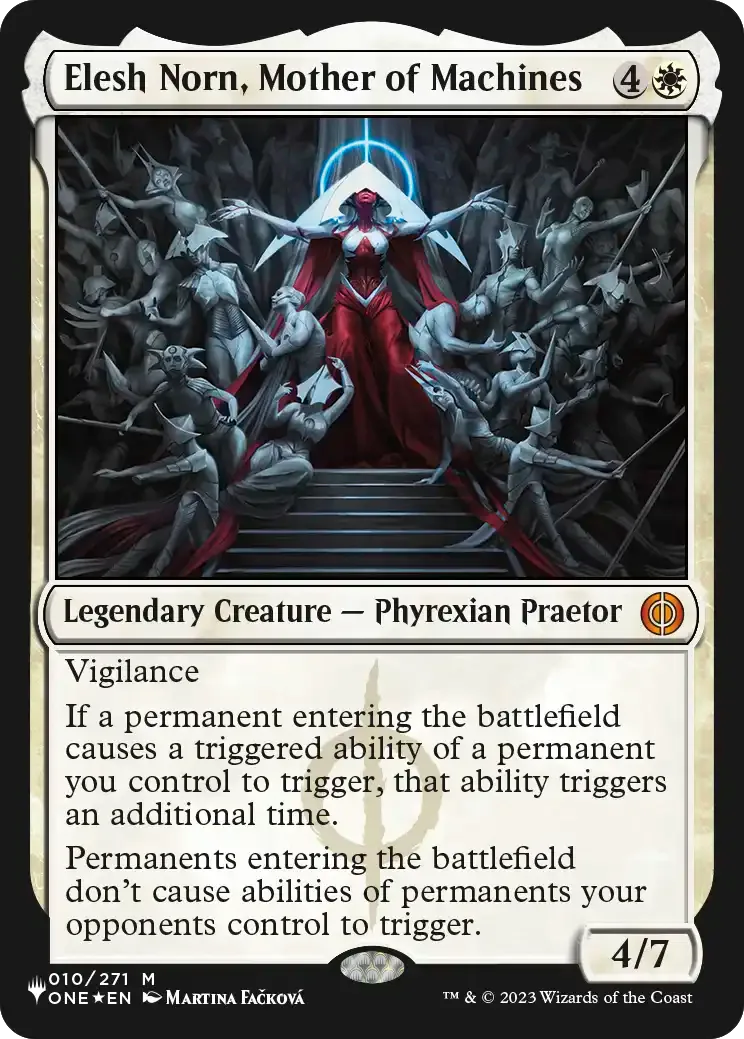
Mystery Booster Commander Edition is a draft product first, but lead designer Gavin Verhey packed the new-to-Magic commander slot with references that reward players who remember Homelands flubs, Alpha rulebook fiction, Onslaught block storyline, and digital Alchemy experiments. This page groups those callbacks by theme so Vorthos drafters know why a pack feels like a museum tour and spikes know which names signal unusual deckbuilding text. It complements card-by-card profiles on new commanders and planeswalkers without duplicating full Oracle writeups.
For spoiler images and gallery context, see spoilers. For acorn mechanics tied to callback cycles, see Alchemy acorn.
Planeswalker commanders from Magic’s earliest stories
Several new legends are planeswalkers that can be your commander, and the deepest cuts reach back to 1993 Alpha fiction:
Worzel, the Protector and Thomil, the Destroyer originate in Worzel’s Story from the Alpha rulebook and Roreca’s Tale from the 1994 Pocket Player’s Guide—among the first planeswalker characters Magic ever printed as story figures. Worzel’s white identity and Thomil’s black identity mirror the colors they wielded in those tales; their loyalty abilities recreate story beats like summoning Scryb Sprites or Lord of the Pit tokens.
Arzakon callbacks the Shandalar computer game’s final boss, with loyalty abilities evoking Lightning Bolt, Black Lotus, and Timetwister—a five-color pile that reads like a 1997 save file.
Dyfed, the Guiding Hand connects to Thran lore and powerstone history on Dominaria. Greensleeves returns as a commander with Giant Badger tokens—a callback to her original green legend status. The Unluckiest Planeswalker references the Curse cycle art from Commander 2017 while shipping as Legendary Planeswalker with no subtype, following The Wanderer precedent.
Full mechanical profiles: planeswalker commanders.
Rulebreaker mono cycle and The Everforger
Rulebreaker marks legends that bend deck construction when they lead your deck. Mystery Booster Commander Edition includes a mono-color Rulebreaker cycle—one legend per color with construction breaks tied to that color’s identity—plus The Everforger as a multicolor capstone referencing artifact and token themes from across Magic history.
Examples spoiled at Gen Con include Seluma, Light of Aysen stretching Angel color identity, Tolabow, Loch Rascal granting one extra color for instants and sorceries, Valko Indorian opening Phyrexian creature slots, and Whtz, the Bibliophile removing maximum deck size in constructed contexts. Each text is unique; read release notes before assuming every mono Rulebreaker shares the same break.
Keyword reference: Rulebreaker. Deckbuilding guide: how to use Rulebreaker.
Mox Collector acorn cycle
The Mox Collector cycle occupies the acorn Alchemy slot—ten foil rares numbered MBC 0061–0070 that joke about Magic’s most famous mana artifacts while using conjure and digital-first framing. These are Limited legal in MBC Commander Draft and Constructed illegal regardless of how funny it would be to conjure a Mox variant on turn one in cEDH.
Collectors chasing complete vertical sets should track all ten acorn names in Alchemy acorn and verify stamps before paying premium singles prices.
Ashaya’s Enduring Bond as legendary sorcery commander
Ashaya’s Enduring Bond callbacks Ashaya, Soul of the Wild while pushing a rarely seen template: a legendary sorcery that can serve as your commander. That raises rules questions release notes address—timing, zone placement, and commander tax when your leader is a sorcery rather than a creature. Treat it as a build-around callback for players who loved Zendikar Rising’s Ashaya but wanted the story beat expressed as a one-shot epic.
Homarid to Lobster: creature type updates as jokes
Homer, the Hermit—a crab Druid with landfall mill tied to crustacean counts—pairs with broader product humor around Homarid creature types receiving Lobster updates in Oracle. Mystery Booster Commander Edition embraces creature-type comedy without breaking Limited: the Lobster count matters on Homer, and Homarid callbacks reward players who remember Fallen Empires sea people.
When drafting crustacean synergies, remember Constructed migration timing for MBC 1–60 cards follows Festival in a Box release, not Gen Con night.
Homelands and story reunion callbacks
Joven and Chandler reunites the Homelands duo as a Human Rogue scaling with artifact deaths and temporary artifact theft—mechanical glue for the wildcard and reprint slots that dump mana rocks into pools. Miss Highwater and other Homelands-adjacent names appear in spoiler galleries as lower-profile callbacks for players who collected the set when it was new.
Zagorka, Mother of Sanctum reaches into Onslaught block storyline—the Sanctum refugee narrative that eventually feeds Karona’s creation in Legions. Political Temur flavors reward group-hug drafters who recognize the name from old novels and faction guides.
Other notable name drops
Grizzlegom, Hurloon Hero references Apocalypse and Invasion story beats where a Hurloon minotaur bursts from a Phyrexian Gargantua—Vorthos gold with basic-land-type payoffs in Limited.
Arzakon aside, Grizzlegom, Homer, and Zagorka illustrate how Mystery Booster Commander Edition uses commander slots as lore delivery devices, not just power-level inserts.
How callbacks affect draft strategy
Lore recognition does not make a legend S-tier. Joven and Chandler needs artifact density; Zagorka needs players willing to create lands; Worzel wants Plains and planeswalker support. Use commander tiers for power bands and callbacks—this page—for why a pick feels familiar.
Rulebreaker callbacks like Seluma and Tolabow do change pick priority because construction breaks unlock cards other legends cannot run—draft Angels when Seluma is visible, instants when Tolabow is open.
Related reading
Individual commander text and mana costs: new commanders. Planeswalker loyalty breakdowns: planeswalkers. Acorn conjure rules: Alchemy acorn. Spoiler gallery updates: spoilers. Release-note clarifications for Rulebreaker and Tolabow: release notes summary.
Frequently Asked Questions
Quick answers players look up before and after a Mystery Booster Commander event.
Which Mystery Booster Commander Edition cards reference Alpha story fiction?
Worzel, the Protector and Thomil, the Destroyer directly callback Worzel's Story and Roreca's Tale from early Magic print products. Arzakon references Shandalar game lore.
What is the Mox Collector cycle?
Ten acorn-stamped Alchemy rares in the foil slot, numbered MBC 0061–0070, joking about Mox artifacts with conjure mechanics. Limited legal, Constructed illegal.
Can Ashaya's Enduring Bond lead a Commander Draft deck?
Yes as a legendary sorcery commander where rules allow. Read release notes for sorcery-commander timing and commander tax interactions.
Why do Homarids appear as Lobsters in this product?
Oracle updated Homarid creature types to include Lobster as a humorous callback. Cards like Homer, the Hermit reference crustacean themes in mechanics.
Does lore knowledge change Rulebreaker deckbuilding?
Only when Rulebreaker text names categories you can draft around—Angels for Seluma, instants and sorceries for Tolabow, Phyrexians for Valko. Flavor alone does not change legality.